

Meta & Google
Over 1,000+ subscribers in under 6 months
How a family manufacturer diversified beyond Meta and built recurring revenue from scratch.



The Background
Who is this brand?
Village Wax Melts manufactures its own wax melts in-house and outsources fulfilment, which is unusual for the category and means the margin sits where the product is made. The business did low 6-figures in 2019 and reached 7-figures during lockdown. Abi, Karl and the team came to us in the summer of 2025 with a clear ambition to scale well beyond this, alongside a newly launched subscription box that was two months old.
The Challenge
A freelancer who had taken them as far as he could
The brand had spent a year telling its previous advertiser what it wanted and watching it not happen. Their own assessment was blunt and fair: he was genuinely good on Meta, but they no longer believed he was the person to take a one million pound business to three. The specific failure was diversification. Reducing reliance on Meta by building Google had been a stated goal for a year, and Google demand generation had been tested, produced nothing quickly and been switched off. On top of that, the business made most of its annual profit in Q3 and Q4, which is a structurally fragile way to run a manufacturer.
Our Approach
Diversify the channel, then build recurring revenue
Building the channel they had been asking for
Google was the thing the brand had wanted for a year and had not been able to get. Demand generation had been trialled, judged on early numbers and abandoned, which is what happens when a channel is tested without a threshold for what a fair test looks like.
The Growth Compass Distribution audit rebuilt the account properly: Shopping and Performance Max structured around the catalogue, brand and non-brand separated, target return set against what the unit economics map said each product could carry, and a full search query review to cut spend going to queries that did not deserve it. Budget increases were introduced incrementally so the account never reset its learning, and later a subscription-only search campaign was built to capture that intent specifically.
Google went from a channel that had been written off to the most efficient one in the business, holding a strong return through peak trading and through the quieter first quarter that followed it.
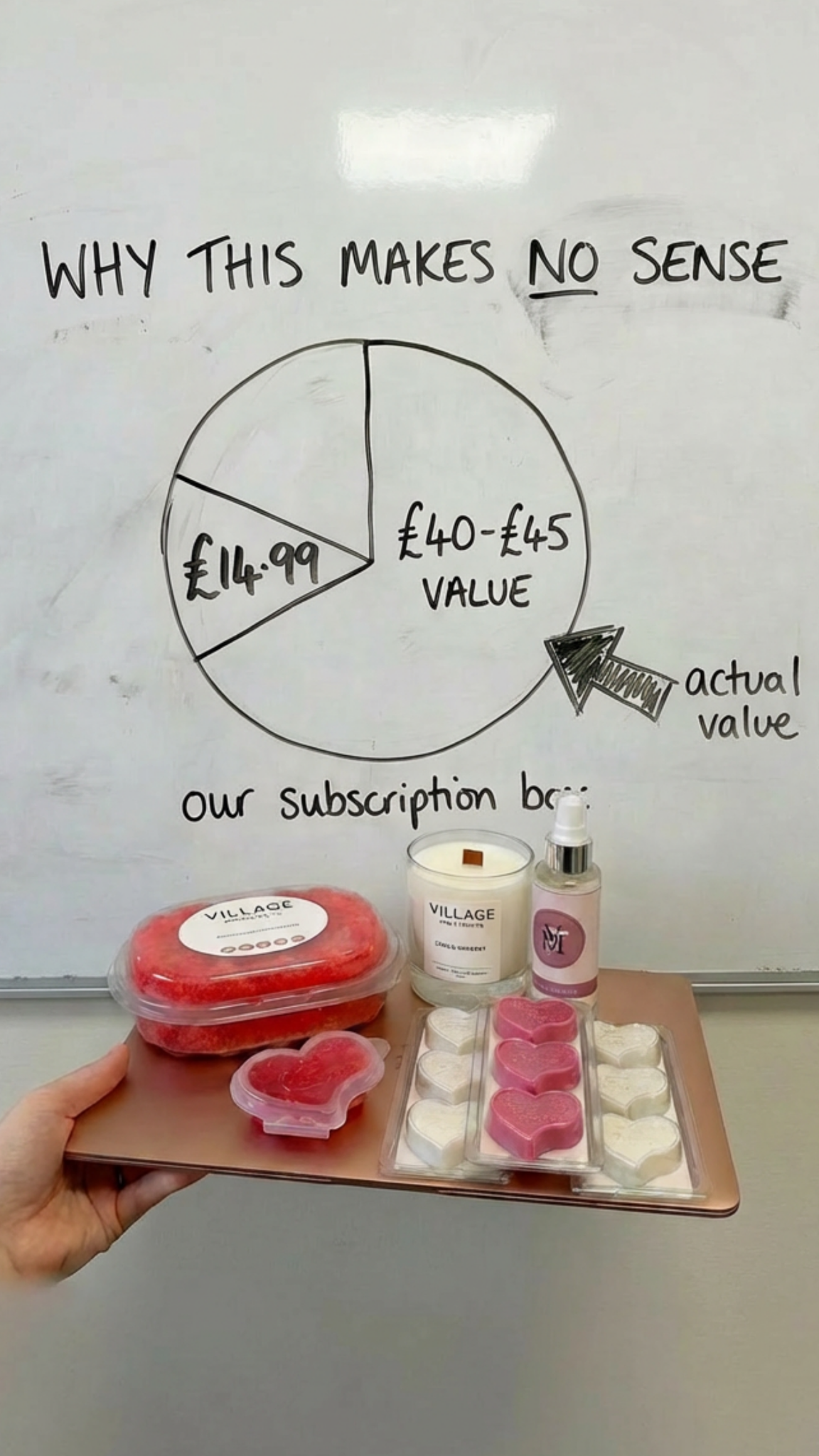
Making the subscription box the priority, not a side product
The subscription box was two months old and being treated as one product among many. For a manufacturer with fixed overheads and a seasonal revenue curve, recurring revenue is not a nice addition. It is the thing that stops January being frightening.
Our AI research system and the persona architecture established what subscribers were actually buying into, and creative was rebuilt around value clarity and offer framing rather than product photography. Statics and UGC ran through the 360 creative feedback system, winners were moved into a dedicated scaling campaign for tighter budget control, and audience exclusions were added for existing subscribers so spend was not re-buying people who had already converted.
Subscription revenue grew 42%, then 32%, then 22% month on month. Active subscriptions rose 24.6% and then 17.26%, with recurring revenue climbing alongside them. The account objective was formally rewritten to reflect it, from unlocking new customer growth to growing subscription MRR profitably at an efficient acquisition cost.
Trading the peak, then protecting the margin
Black Friday and Christmas decide the year for this business, so November was structured for control rather than volume alone. Promotional and evergreen campaigns were split so each could be managed on its own merits, budgets were paced around the specific peak days, and creative was rotated deliberately to stay ahead of fatigue.
Total sales rose 98% that month and blended return improved 31%, with Meta carrying the majority of the scale. Google held its efficiency alongside it, capturing the demand the creative was generating.
What happened next matters more. January is historically a weak month for the brand, so rather than defend a revenue number we deliberately reduced spend to protect efficiency, cutting Google budgets incrementally to avoid resetting learning. Google return rose 8% with cost per acquisition down 12%. By February, Meta return had improved 44% with acquisition cost down 21%, and net profit rose 23% on 35% less spend than the month before.
The Results
Recurring revenue built, and profit rising on less spend
Growth built on a system, not a single idea
See more of our case studies



Let's scale together
Take the guesswork out of growth. Book a call and let's build a system that drives consistent, profitable revenue.